





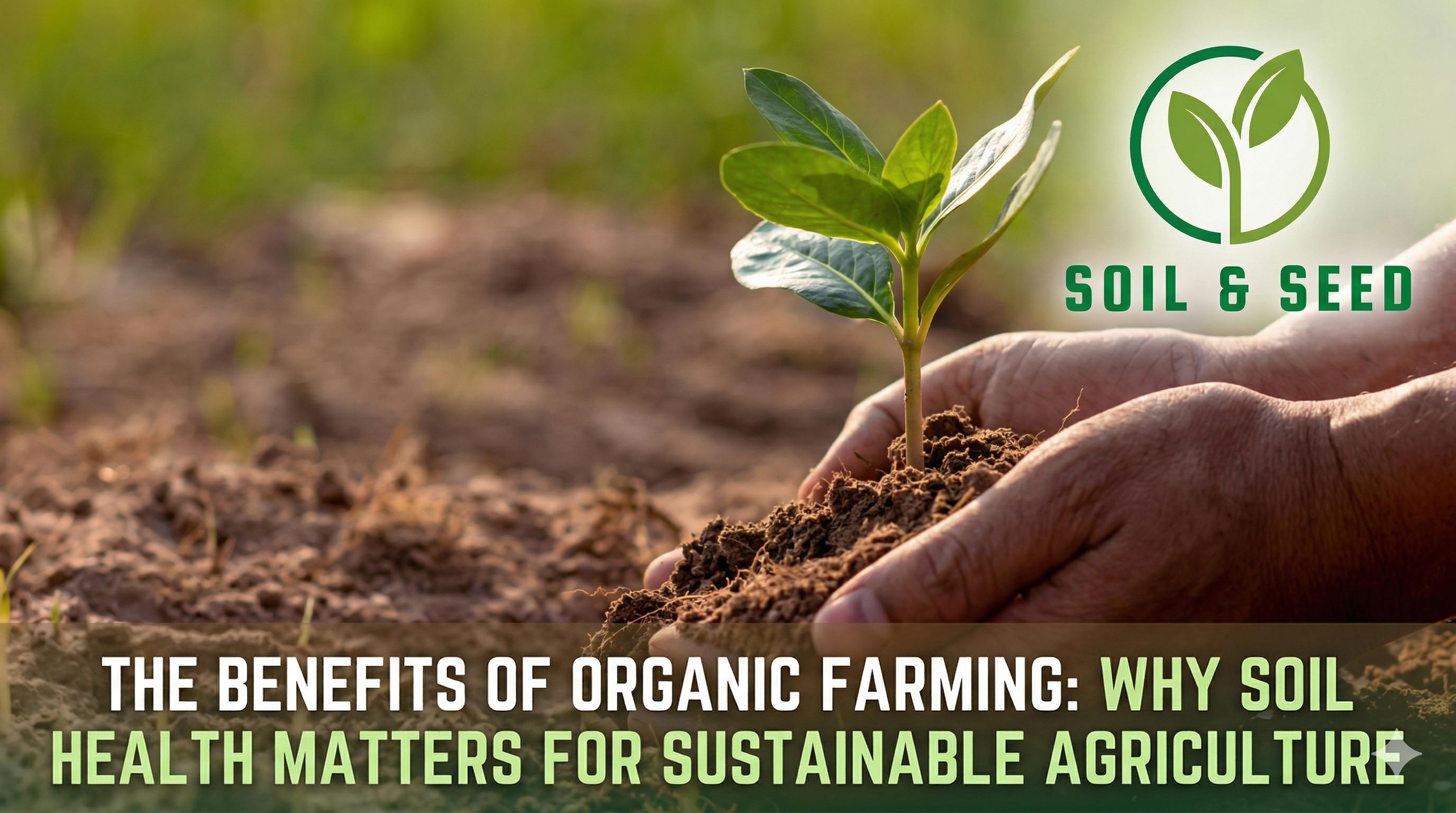
Organic farming is not just a trend; it's a sustainable agricultural practice that prioritizes the health of the environment, people, and soil. In recent years, more and more farmers are switching to organic farming due to its numerous benefits. One of the key aspects of organic farming is the focus on soil health. Healthy soil is the foundation of productive farming and healthy food production. In this blog, we will explore the significant benefits of organic farming and why soil health matters.
What is Organic Farming?
Organic farming is a method of farming that avoids synthetic fertilizers, pesticides, genetically modified organisms (GMOs), and other chemical inputs. Instead, it emphasizes natural practices like crop rotation, composting, and the use of organic fertilizers. The goal of organic farming is to work with nature to create an ecosystem that promotes long-term sustainability, soil fertility, and biodiversity.
The Link Between Soil Health and Organic Farming
Soil health plays a crucial role in organic farming. Healthy soil is full of life and essential nutrients that support plant growth. By promoting soil health, organic farmers create an environment that fosters the growth of healthy crops while reducing the need for synthetic chemical inputs. Here's why soil health is so important in organic farming:
- Improved Soil Structure
Healthy soil has a well-structured composition, with a balanced amount of organic matter, air, and water. Organic farming practices like composting, mulching, and cover cropping help improve soil structure, making it more resistant to erosion and better able to retain water. This leads to healthier crops and improved yield. - Increased Soil Fertility
Organic farming practices focus on enhancing the fertility of the soil through natural methods. By using compost, manure, and other organic fertilizers, farmers can replenish essential nutrients in the soil. These nutrients, such as nitrogen, phosphorus, and potassium, are vital for plant growth. The continuous addition of organic matter also promotes a healthy microbial ecosystem that helps break down organic material into plant-available nutrients. - Reduced Soil Erosion
Organic farming methods, such as crop rotation and cover cropping, help to prevent soil erosion. By maintaining plant cover throughout the year, organic farmers protect the soil from wind and water erosion. This is crucial for maintaining the integrity of the soil and ensuring long-term agricultural productivity. - Enhanced Water Retention
Healthy soil retains moisture better than soil depleted of organic matter. In organic farming, the use of organic mulches and compost helps improve the soil’s water-holding capacity. This not only ensures crops receive sufficient water during dry spells but also reduces the need for irrigation, making organic farming more water-efficient. - Biodiversity and Pest Management
Organic farming fosters biodiversity by creating an environment where a wide variety of plants, insects, and microorganisms can thrive. A diverse ecosystem in the soil and on the farm reduces the risk of pest infestations. Organic farmers often use natural methods of pest control, such as introducing beneficial insects or using companion planting techniques, rather than relying on chemical pesticides.
The Environmental Benefits of Organic Farming
In addition to improving soil health, organic farming offers several environmental benefits:
- Reduced Pollution: By avoiding synthetic chemicals, organic farming helps prevent the contamination of water, air, and soil. This reduces the environmental footprint of farming and protects natural ecosystems.
- Conservation of Resources: Organic farming promotes the use of renewable resources like compost, reducing the reliance on finite resources such as synthetic fertilizers and fossil fuels.
- Carbon Sequestration: Organic farming practices, particularly those that improve soil health, can help sequester carbon dioxide from the atmosphere. Healthy soils act as carbon sinks, helping mitigate the effects of climate change.
How Organic Farming Benefits Consumers
Organic farming not only benefits the environment but also provides numerous advantages to consumers:
- Healthier Food: Organic foods are free from harmful pesticides and chemicals. Studies have shown that organic produce can have higher levels of beneficial nutrients, such as antioxidants, compared to conventionally grown crops.
- Better Taste: Many people believe that organic produce tastes better due to its natural growing methods. The rich, healthy soil contributes to the flavor and quality of the crops.
- Support for Local Farmers: By choosing organic products, consumers support local farmers who are dedicated to sustainable farming practices. This helps strengthen local economies and promote ethical food systems.
Conclusion
Soil health is the cornerstone of organic farming. By nurturing and maintaining healthy soils, organic farmers can produce high-quality crops while promoting environmental sustainability. The benefits of organic farming extend beyond the farm itself, supporting healthier ecosystems, reducing pollution, and providing consumers with nutritious, flavorful food. As we continue to face global environmental challenges, organic farming offers a path toward a more sustainable and eco-friendly future.
If you're looking to support organic farming and make a positive impact on the environment, consider choosing organic products that prioritize soil health and sustainability. Whether you're a gardener, a farmer, or a consumer, embracing the benefits of organic farming is a step toward creating a healthier planet for future generations.